
The Real Cost of Chasing Slots: RTP, Variance, and Bankroll Myths
You hit spin. The reels blur, the anticipation spikes, and then—two scatters. Not three. You tell yourself the next bonus round is due. That little twist of…
You hit spin. The reels blur, the anticipation spikes, and then—two scatters. Not three. You tell yourself the next bonus round is due. That little twist of hope is where most slot players lose the plot. It’s not about luck or timing; it’s about mathematics you probably haven’t checked since high school. Let’s talk about the numbers casinos don’t print on the lobby walls.
RTP Isn’t Your Friend—It’s a Long-Term Promise
Return to Player (RTP) is the theoretical percentage of all wagered money a slot pays back over millions of spins. A 96% RTP game sounds generous until you realize that 4% house edge is compounded every single spin. If you wager $100 on a 96% RTP slot, your expected loss is $4—but that’s an average, not a guarantee. In a single session, you could lose the whole hundred or triple it. RTP is a marathon statistic, not a sprint promise.
Here’s the kicker: many players chase high-RTP slots thinking they’re safer. They’re not. A 99% RTP slot with extreme variance can drain a $200 bankroll in ten minutes. A 94% RTP slot with low variance might keep you spinning for hours. RTP tells you the price of the ticket, not the bumpiness of the ride. สล็อตเว็บตรง covers this in more detail.
Variance: The Silent Bankroll Killer
Variance (or volatility) measures how wildly payouts swing. High variance slots like Bonanza or Money Train 2 can go 500 spins without a win, then hit a 5,000x screen. Low variance games like Starburst trickle small wins constantly. Neither is “better”—they serve different bankroll sizes and temperaments.
If you have $50 and play a high-variance slot, you’re basically buying a lottery ticket with extra steps. If you have $500 and play low-variance, you’ll likely grind out a slow bleed, but at least you’ll see some returns. The mistake is matching a small bankroll to a volatile game because the max win screenshot looked sexy.
- High variance: Big rare wins, long dry spells, requires 300+ spins bankroll.
- Medium variance: Balanced, decent hit frequency (1 in 50–100 spins).
- Low variance: Frequent small wins, low max payout, best for short sessions.
The Gambler’s Fallacy and the Hot/Cold Myth
Slots use random number generators (RNGs) that produce independent outcomes. A machine that hasn’t paid out in two hours is no more likely to hit than one that just paid a jackpot. The “hot” machine is an illusion—the RNG doesn’t remember the last spin. I’ve watched players feed $1,000 into a slot because “it’s due.” It’s not. It’s never due.
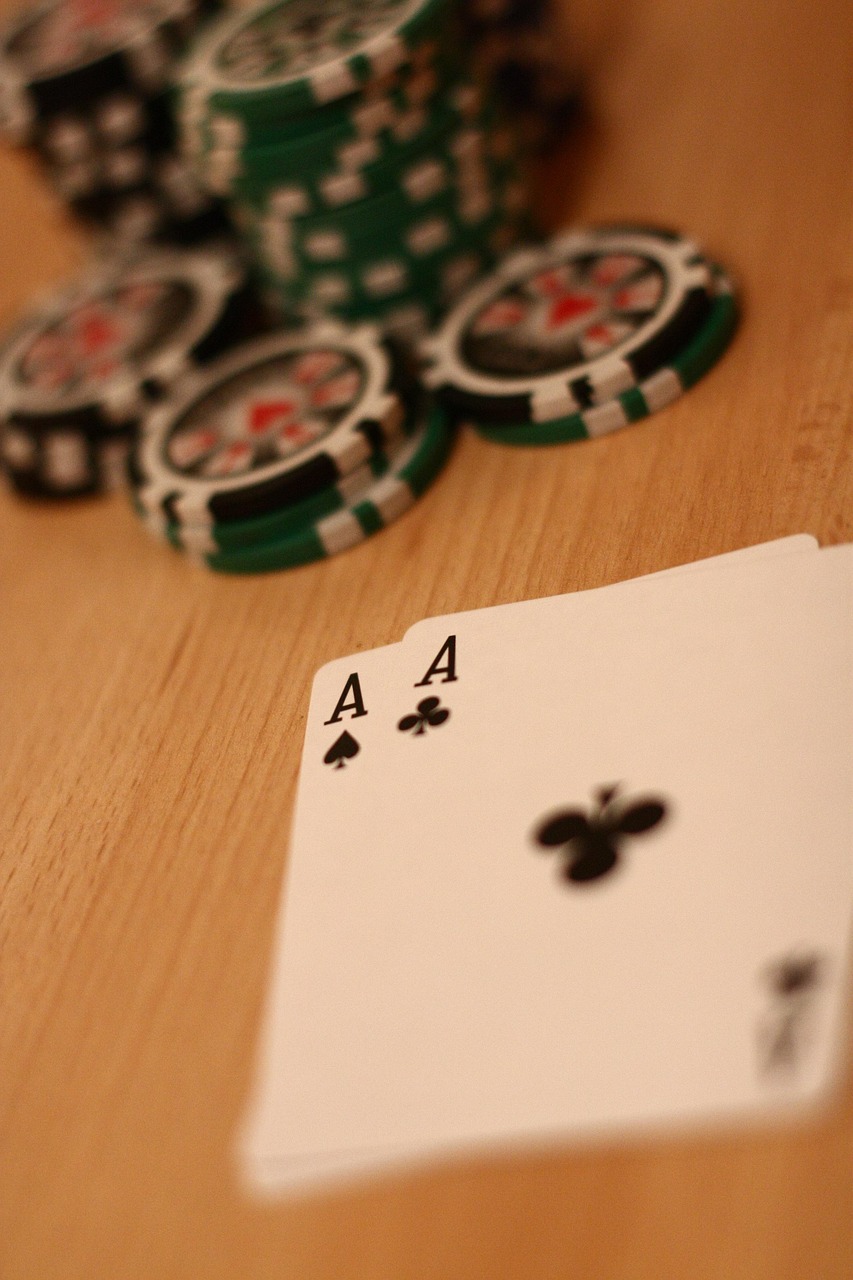
The same goes for poker. If you lose five hands in a row with pocket aces, the deck isn’t punishing you. Over a large sample, the math evens out—but “large” means tens of thousands of hands, not a Tuesday night.
Bankroll Management: Boring but Profitable
Most iGaming articles skip this because it doesn’t sell dreams. Here’s the truth: the only players who last are the ones who treat gambling as entertainment, not income. Set a session limit. If you deposit $100, decide now that you’ll stop at $200 or $0. No chasing.
- Split your bankroll: If you have $500 for the month, use $50 per session.
- Set win/loss stops: Walk away at +50% or -50% of session budget.
- Track your spins: After 200 spins, check if you’re still within RTP range. If you’re down 70%, variance is biting. Stop.
- Never increase bet size to “recover” losses. That’s how $100 becomes $1,000 gone.
Poker and Betting: Where Skill Actually Matters
Slots are pure chance. Poker and sports betting have an element of skill, which changes everything. In Texas Hold’em, a tight-aggressive strategy over 10,000 hands yields a positive expected value (EV) if you avoid tilt. The key isn’t bluffing more—it’s folding more. Most recreational players see 40% of flops; winners see 20–25%.
For sports betting, line shopping is non-negotiable. Getting -105 instead of -110 on a $100 bet saves you $4.55 over 100 bets—that’s a 4.5% ROI swing. Over a year, that’s the difference between profit and loss. Also, avoid parlay sucker bets unless you’re chasing lottery-style payouts. A three-team parlay at +600 has an implied probability of 14.3%, but true odds are closer to 12.5%—the house edge is brutal.
The Psychology of Near Misses
Slot designers engineer near misses—two jackpot symbols with the third just above the payline. Brain imaging shows these triggers the same dopamine response as actual wins. That’s why you keep spinning after a tease. Casinos don’t need to rig games; they just need to understand your neurochemistry. Awareness is your only defense. If you feel the itch after a near miss, that’s the machine working as intended.
Final Thought: Play the Math, Not the Dream
There’s no secret system to beat slots. The RTP curve always wins in the end. But you can lose slower, smarter, and with fewer regrets. Check the game’s RTP and variance before you spin. Size your bets relative to your bankroll. Treat poker and betting as skill games, not lottery tickets. And when the session stops being fun, log out. The casino will still be there tomorrow—your rent money might not. That’s not a lecture; it’s just the house edge talking.