

Slot Volatility Explained: Why Big Wins Feel So Rare
You've been spinning the same slot for twenty minutes. Three scatters away from the bonus, you tell yourself. Then it hits — dead spin after dead spin , your…

You've been spinning the same slot for twenty minutes. Three scatters away from the bonus, you tell yourself. Then it hits — dead spin after dead spin, your balance bleeding out in €2.40 increments. Meanwhile, some guy in a forum screenshot is posting a 4,000x win on the exact same game. Is the machine rigged? Is he lying? Or is there something about how these games are built that you're missing?
The answer is almost always volatility. It's the single most misunderstood concept in online slots, and the one that most directly determines whether your session feels like a slow grind or a lottery ticket. Let's break it down properly.
What Volatility Actually Means
Volatility (sometimes called variance) describes how a slot distributes its payouts over time. Every slot has a theoretical Return to Player (RTP) — usually somewhere between 94% and 97% — but that number says nothing about how the money comes back to you.
Think of it this way: two slots can both have a 96% RTP. One pays you small amounts constantly and rarely lets you hit a monster. The other eats your balance for 400 spins and then drops a 900x multiplier. Same RTP, completely different experience.
- Low volatility: frequent small wins, gentle balance swings, long sessions on a modest bankroll. Think Starburst or most classic 3-reel fruit slots.
- Medium volatility: a balance between hit frequency and payout size. Games like Book of Dead sit roughly here or slightly above.
- High volatility: rare wins, but potentially enormous ones. Money Train 2, San Quentin, and most Megaways-style releases fall into this bucket.
Here's the part casual players miss: volatility is not a marketing gimmick. It's baked into the math model using weighted reel strips and bonus trigger probabilities. A high-volatility slot might have a hit frequency of just 18–22%, meaning four out of five spins return nothing.
How to Spot a High-Volatility Slot Before You Spin
You don't need to guess. Almost every regulated casino now displays volatility info in the game rules or slot info screen (the little "i" button). But if it's not stated, you can read the signals:
- Max win potential. If a slot advertises 50,000x your stake, it's almost certainly high volatility. Anything above 10,000x usually is.
- Bonus buy price. Where available, a bonus buy costing 100x your stake suggests a lower-variance game. A 500x price tag signals extreme variance.
- Hit frequency. Sometimes listed directly. Under 25% means patience required.
- Paytable shape. If the base game top symbol pays 5x for five of a kind, but the bonus can pay 10,000x, the variance lives in the feature.
Providers like Nolimit City, Push Gaming, and Hacksaw Gaming have built their entire reputations on brutal volatility. Pragmatic Play sits in the middle. If you're spinning a Nolimit release with a €50 bankroll, you're likely to be gone in ten minutes.
Bankroll Management: The Number That Actually Matters
Here's a rule most experienced players follow: your session bankroll should be at least 200–300x your average bet on a high-volatility slot, and around 100x on a low-volatility one.
Why? Because variance requires room to breathe. If you're betting €1 on a game with 20% hit frequency and you only bring €50, you'll bust before the math has a chance to work. With €300, you can survive the dry spells that precede the big hits — the ones the games are literally designed around. There is a useful overview at สล็อตเว็บตรง.
A practical example: on Money Train 2 (96.4% RTP, extreme volatility), a €0.20 spin with a €100 bankroll gives you 500 spins. That's a realistic shot at triggering the bonus. The same €100 at €2 a spin gives you 50 spins — statistically, you're buying a lottery ticket with worse odds.
This is also why chasing losses on high-variance slots is so dangerous. The game hasn't "warmed up." Each spin is independent. The RNG doesn't know you've lost 200 times in a row, and it doesn't owe you anything.
Why Casinos and Providers Love Volatility
From the operator's perspective, high volatility is a dream. It produces the screenshots that fuel social media marketing, it drives streamer content, and it keeps players chasing that one session-defining win. The house edge stays the same, but the emotional rollercoaster is sharper.
It's also worth understanding how volatility interacts with bonus terms. If you're clearing a wagering requirement of 35x on a deposit bonus, high-volatility slots can be a disaster. Wild swings may take you below the max bet cap or wipe your balance before you've cleared the playthrough. Low-volatility games grind out wagering more safely — even if the entertainment value is lower.
Poker, Betting, and the Same Principle
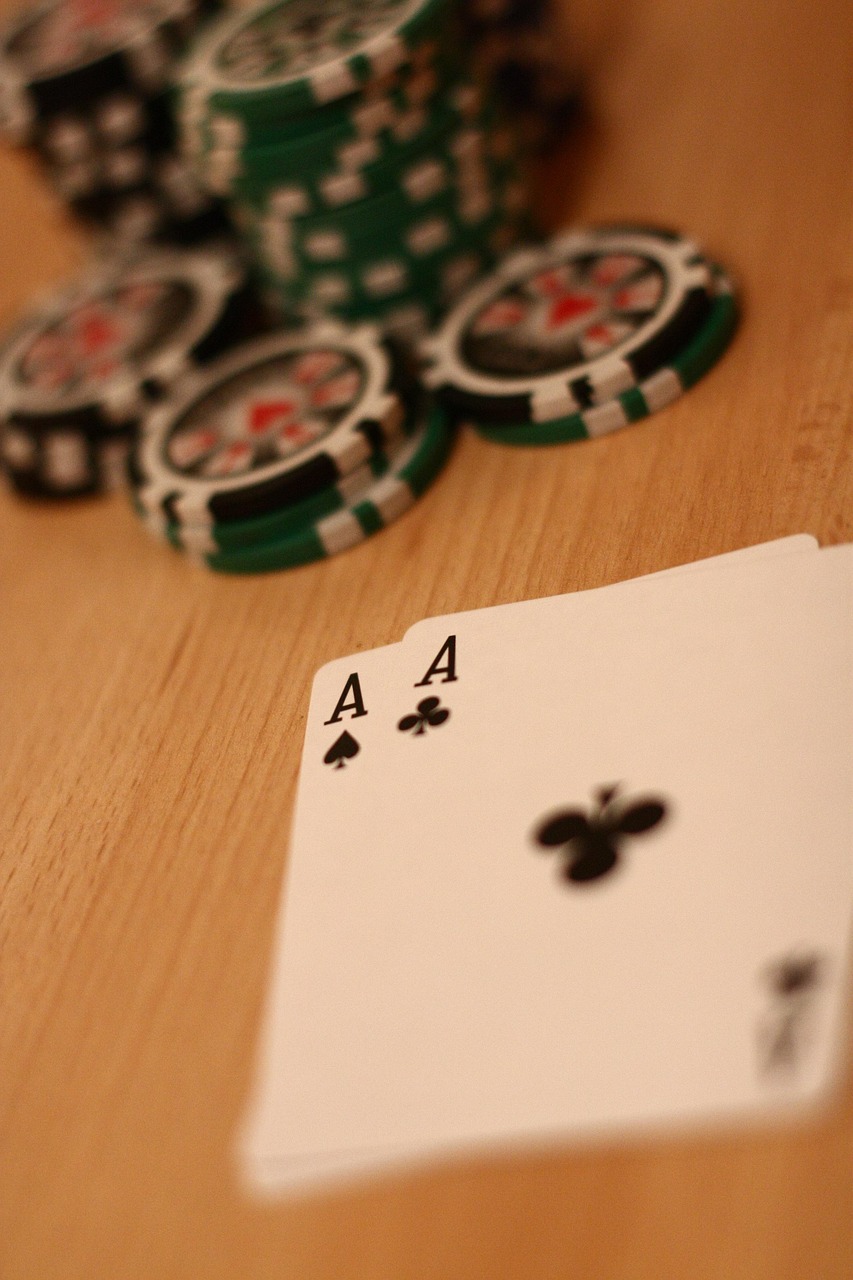
The concept isn't unique to slots. In poker, a low-variance player grinds small edges in cash games; a high-variance player enters 200-player tournaments for the shot at a massive score. In sports betting, a -110 spread bet is low variance, while a 10-leg accumulator is the equivalent of a max-win slot.
Understanding your own tolerance matters more than any strategy. If a losing streak of 15 bets makes you tilt, you're a low-variance person playing high-variance games — and that's how bankrolls die.
The best players in any of these formats don't just pick games. They match variance to their bankroll, their goals, and their temperament. That's the entire edge.
The Takeaway
Volatility isn't a villain or a hero — it's a tool for understanding what kind of ride you're signing up for. Before your next deposit, check the RTP, check the volatility rating, and do the simple math on your bankroll divided by your bet size. If that number is under 100 on a Nolimit City game, save yourself the frustration.
The players who last aren't the ones who hit the biggest wins. They're the ones who understood the math before the first spin and never let a dry streak convince them the machine was due. It never is. Play the long game, manage the swings, and let the volatility work for you — not against you.