


Slot Volatility Explained: Why Your Bankroll Matters More Than Luck
You've picked a slot, spun a hundred times, and watched your balance bleed out without a single bonus. Meanwhile, a friend tries the same game and hits a 500x…

You've picked a slot, spun a hundred times, and watched your balance bleed out without a single bonus. Meanwhile, a friend tries the same game and hits a 500x win in twenty spins. Before you blame your luck, check the volatility setting. It's the single most misunderstood number in online casinos, and it quietly decides whether your session lasts ten minutes or three hours.
What Volatility Actually Measures
Slot volatility (sometimes called variance) describes the size and frequency of payouts. It has nothing to do with how much the machine pays back over millions of spins. That's RTP, and it's a separate beast entirely.
A high-volatility slot like Money Train 3 might pay out less often than 1 in 5 spins, but when it does, the wins can be enormous. A low-volatility game like Starburst or Blood Suckers pays small amounts constantly. Both can have an RTP of 96%. The difference is when and how the money returns to you.
Think of it like a lottery versus a salary. Low volatility is a steady paycheck with occasional bonuses. High volatility is buying scratch cards and hoping one of them is the big one. Neither is "better" objectively, but one will almost certainly suit your budget and temperament more than the other.
- Low volatility: frequent small wins, slow bankroll drain, good for long sessions
- Medium volatility: balanced frequency and payout size, the safest all-rounder
- High volatility: rare but large wins, brutal dry spells, needs a big bankroll
- Extreme volatility: jackpot-style games like San Quentin xWays where 1,000 spins without a bonus is normal
The Bankroll Math Most Players Ignore
Here's a concrete example. You deposit $100 and play a slot at $1 per spin. If the game is low volatility, you might get 300 to 400 spins before the balance hits zero, and you'll likely see some returns along the way. On an extreme-volatility slot at the same stake, you could easily burn through that $100 in under 100 spins during a cold streak. slot mahjong offers a practical breakdown of the topic.
That's not the game cheating you. That's variance doing exactly what variance does. High-volatility slots need a bankroll large enough to survive the droughts. A rough rule used by experienced players: your bankroll should cover at least 300 to 500 spins on a high-volatility game. If you're betting $1, that's $300 to $500, not $50.
If your budget is smaller, drop the stake. A $0.20 spin on a high-volatility slot with a $100 bankroll gives you 500 spins of ammunition. The wins scale down proportionally, but you actually get a chance to reach them.
How to Identify a Slot's Volatility Before You Spin
You don't need to guess. Most reputable casinos and slot review sites list volatility in the game info tab or the paytable screen. Look for a small meter, often labeled low, medium, or high, or a numeric rating out of 5. Developer sites like Pragmatic Play, Nolimit City, and Hacksaw Gaming publish volatility data alongside RTP. If a game has no volatility info anywhere, that's usually a red flag.
Poker, Blackjack, and the Skill Element
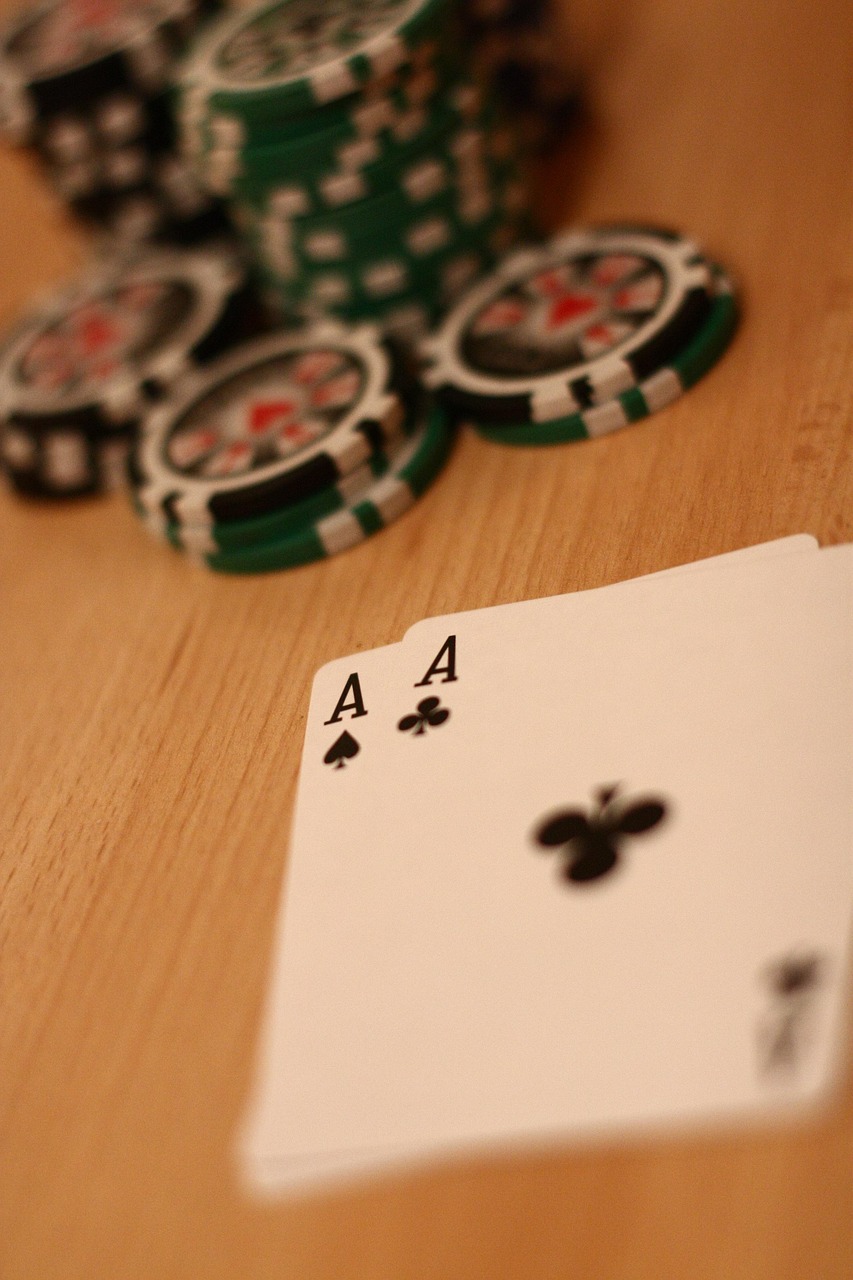
Slots are pure chance, but the same variance logic applies to table games in a different shape. In poker, a good player can lose for weeks due to bad beats and coolers. That's variance, and it's why bankroll management in poker is so strict. A professional cash game player might keep 20 to 40 buy-ins for their stake level precisely because downswings are inevitable, not because they're playing badly.
In blackjack, basic strategy reduces the house edge to around 0.5%, but short-term results still swing wildly. The key difference is that in poker and blackjack, skill and decision-making shift the long-term math in your favor or against you. In slots, the math is fixed. Your only real decisions are which game, what stake, and when to stop.
Practical Bankroll Tips That Actually Help
- Match volatility to session length. If you want a two-hour session with a modest budget, pick low or medium volatility. If you're chasing a big hit and can afford the risk, go high.
- Set a loss limit before you spin. Decide the maximum you're willing to lose and stop there. High-volatility slots punish players who keep topping up to chase a bonus.
- Use the free play mode first. Most casinos let you test a slot in demo mode. Run 100 spins and watch how often you win. It gives you a feel for the variance without spending a cent.
- Don't judge a slot by one session. A high-volatility game can pay nothing for 500 spins and then deliver a 2,000x win on the 501st. One session tells you almost nothing.
- Adjust stake, not game type. If your bankroll is tight but you love high-volatility slots, lower your bet size instead of switching to a game you find boring.
Why Casinos Love High-Volatility Slots
High-volatility games are marketing gold. Streamers and highlight reels show massive wins, which draws in players who expect the same. What the highlight reel never shows is the hours of dead spins and depleted balances that came before. Casinos profit from the churn. The longer and more frequently you play, the more the house edge grinds you down, regardless of volatility.
That doesn't mean high-volatility slots are rigged or bad. They're just a different product. A Ferrari and a family sedan both get you somewhere, but you don't take the Ferrari grocery shopping every day. Treat your bankroll the same way.
The Takeaway
Volatility isn't a buzzword to skim past in a review. It's the lens that tells you whether a slot fits your budget and your patience. Before your next session, check the volatility rating, decide what you can realistically lose, and pick a stake that gives you enough spins to actually experience the game's payout cycle. Luck still decides the individual outcome. But understanding volatility means you won't be surprised when the dry spell hits, and you won't blow your whole bankroll before the bonus round finally lands.