


Daily Prompts for Rainy Days: 30 Cosy Journal Ideas for UK Weather
Thirty indoor journal prompts for wet British days, covering rain-soaked memories, comforting routines and slow evenings — plus practical tips for making the habit stick beyond...
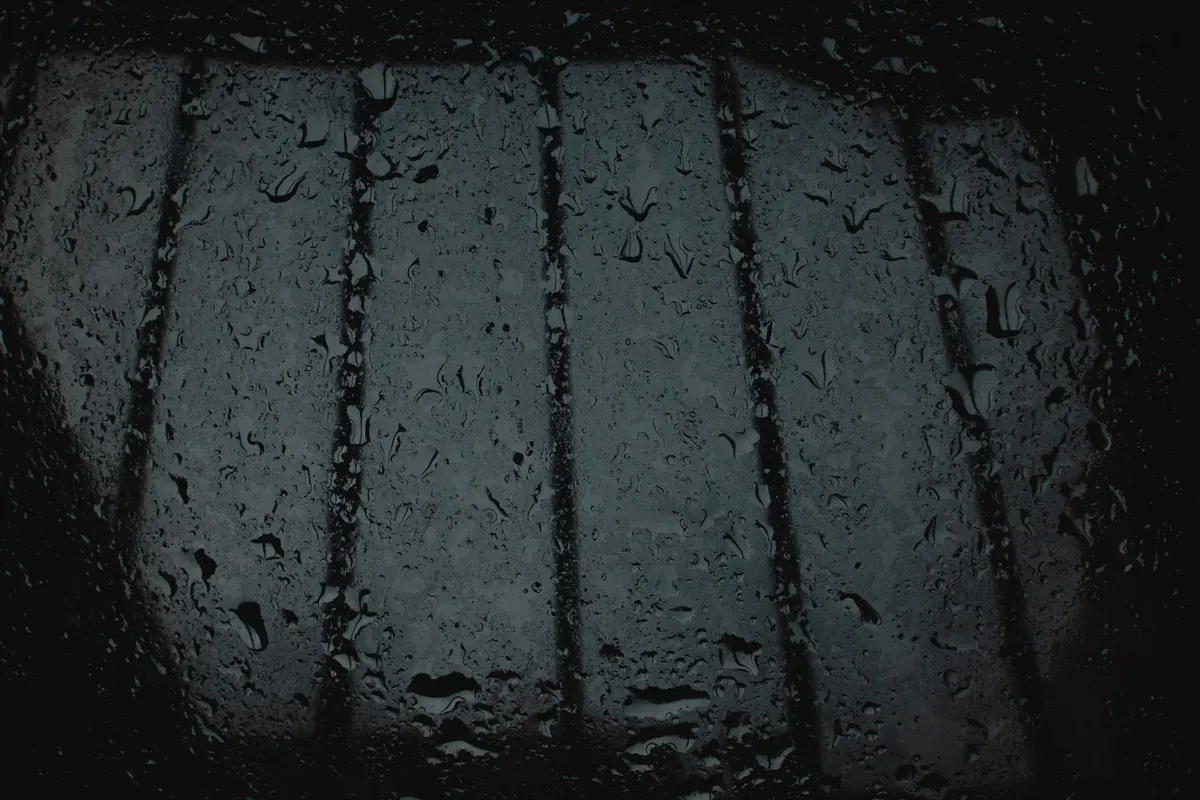
Rain in Britain rarely makes an entrance. It arrives as mizzle that soaks your shoulders between the car and the front door, or as a steady drum on the wheelie bin lid that you hear from the kitchen. Either way, a wet day gives you something rare: permission to stay put. A notebook is the natural companion to an afternoon indoors.
The thirty prompts below are written for exactly this weather — the drizzle, the downpour, the dark at half four. Use them in any order, and don't feel obliged to finish one before starting another. Ten minutes is enough. Don't edit, don't aim for anything publishable, and do write the date and the weather at the top of the page. Next year, the words "Tuesday, rain, 6°C" will bring the day back faster than anything written underneath them.
Start with the rain itself
Weather is the easiest thing to write about, because it's happening to you right now and it asks nothing of you in return. These six prompts work best with a window nearby and a mug within reach.
- Describe the sound of the rain where you are. Be specific: a car roof, a drain, a bin lid, the plastic roof of a conservatory.
- Write about the last time you were properly caught out in it. Where were you heading, and what did you do next?
- What does wet air smell like on your street? Tarmac, damp coats, drains, cut grass, bus exhaust.
- Note three things you can see from the window that you normally walk past without noticing.
- Copy today's forecast onto the page, then write honestly about how it makes you feel. Relief counts. So does irritation.
- If this weather had a mood — patient, sulky, generous, stubborn — what would it want to say to you?
Rain as a memory keeper
Wet days are unusually good at surfacing old memories. A smell, a wet coat sleeve, the particular grey of a school corridor — one small detail and you're eleven again. Write quickly here and resist the urge to fact-check yourself. If you're not sure whether a memory is accurate, say so on the page; the uncertainty is part of the record.
- The wettest day you remember as a child. Who was there, and what were you wearing?
- How did you fill a rainy school holiday? List what you watched, played, argued about and ate.
- Family sayings about the weather. Note down any you grew up with, including the ones that made no sense.
- A British holiday when the weather refused to cooperate. What was still good about it?
- A coat, a pair of wellies or an umbrella you loved. Where did it end up?
- A rainy afternoon spent with someone who is no longer in your life.
- A bus shelter, a station platform or a shop doorway where you once waited out a shower. Describe it as though you were standing there now.
- Sketch a rough map of the street you grew up in: the puddles, the blocked drains, the shortcut home.
Comfort, routine and the small rituals
Cosiness is not a candle and a blanket from a catalogue. It is specific and personal — the second pair of socks, the soup you only make in winter, the sound of a radiator ticking as it cools. These prompts are about noticing what already works, rather than buying anything new.
If you only have ten minutes
Pick one prompt from this section, set a timer, and stop when it rings even if you're mid-sentence. An unfinished entry is still an entry.
- What does "cosy" actually mean to you? List five specifics — thick socks, soup, a particular chair, the smell of a radiator.
- Write your ideal rainy day hour by hour, from waking to bedtime. Then, underneath, the version you actually had.
- List ten small things already within arm's reach of where you're sitting.
- A one-line record of now: the temperature, the light, the noise, what your hands are doing.
- A routine that steadies you. The kettle. The first cup of tea. The walk to the shop for milk.
- What would you cook on a day when nobody is watching and nothing needs to be impressive?
- A letter to your future self, written on a grey day, to be read on a bright one.
- Three things that were quietly better today because it rained.
Evenings when the dark arrives early
By four o'clock the lamps are on and the day has a different shape. Evening entries tend to be looser and more honest than morning ones. Let them be.
- Ten minutes of freewriting that begins: "It's dark at half four and…"
- A line or two about whatever you read, watched or listened to today.
- Write about a lamp, a candle, or one corner of a room you like best after dark.
- A short scene set entirely in a kitchen during a storm. Fiction is allowed, and often useful.
- What are you avoiding? Write it down, then one thing you'll do about it in the morning.
- A list of things you'll do when the weather turns: sow seeds, take the long walk, dry washing outside.
- Five sentences that all begin "I remember rain…" No polishing.
- Finish the page with what you want tomorrow to feel like.
Making the habit stick
One good rainy afternoon does not build a journaling habit. Small, repeated geography does. Keep the notebook and a pen in the same place — beside the kettle, on the arm of your chair, in the bag you take to work — so that opening it costs you no decisions at all.
- Set a timer for ten minutes and stop when it rings.
- Write the date and the weather first. Four seconds, and the page becomes a record rather than a task.
- Don't tidy entries afterwards. Crossing out is part of the texture.
- Treat each prompt as a doorway, not an assignment. If prompt nineteen takes you somewhere more interesting, follow it.
- Mark two or three prompts you liked and save them for the next wet Tuesday.
If a prompt lands badly
Memory prompts occasionally open a door you weren't expecting. If that happens, close the notebook, make a cup of tea, and come back to something lighter tomorrow. Journalling can support your wellbeing, but it isn't a substitute for proper help. If a memory keeps distressing you, speak to your GP or someone you trust.
Fill the kettle. The rain will do the rest.
Photo: Nothing Ahead / Pexels